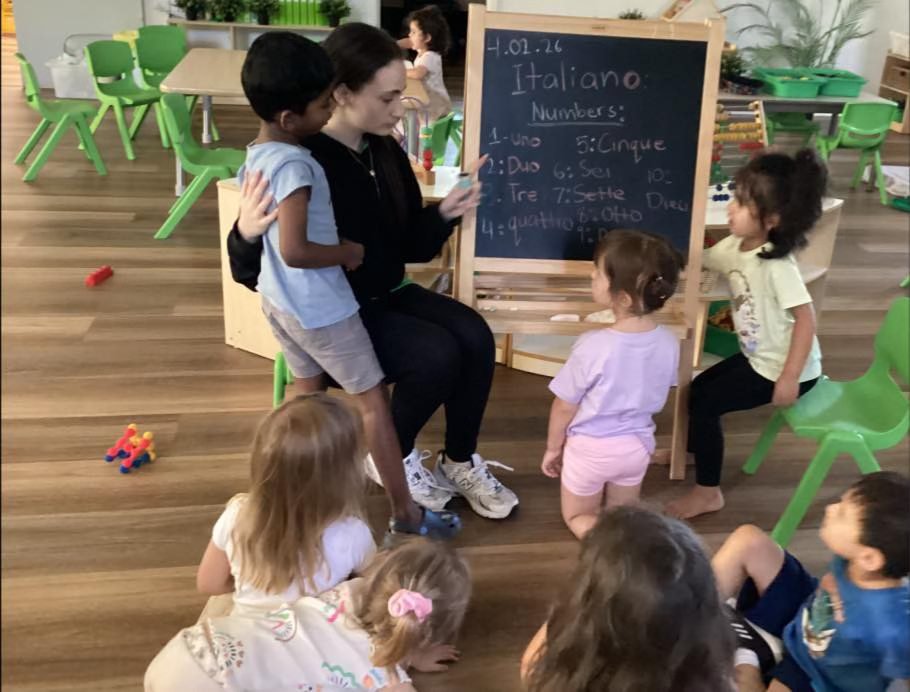
There is a difference between a child who can recite numbers to twenty and a child who understands what those numbers mean. The first skill is impressive at a family dinner. The second is what actually matters for mathematical development. This week at Greystanes Preschool, the children focused on numbers six through twelve, and the goal was firmly the second kind of understanding.
What Number Recognition Really Involves
Recognising a numeral on a page is a visual skill. Understanding the quantity that numeral represents is a conceptual one. Building both, simultaneously and through experience, is what quality early numeracy education looks like. When children at Greystanes worked on numbers six through twelve this week, they weren't just learning to identify symbols. They were exploring what those quantities feel like, look like, and relate to each other.
This is sometimes called number sense, and it's the foundation that everything else in mathematics is built on. Children with strong number sense don't just count; they compare, estimate, and reason about numbers in ways that make the mathematics they'll encounter in school far more accessible.
Hands-On Activities That Build Genuine Confidence
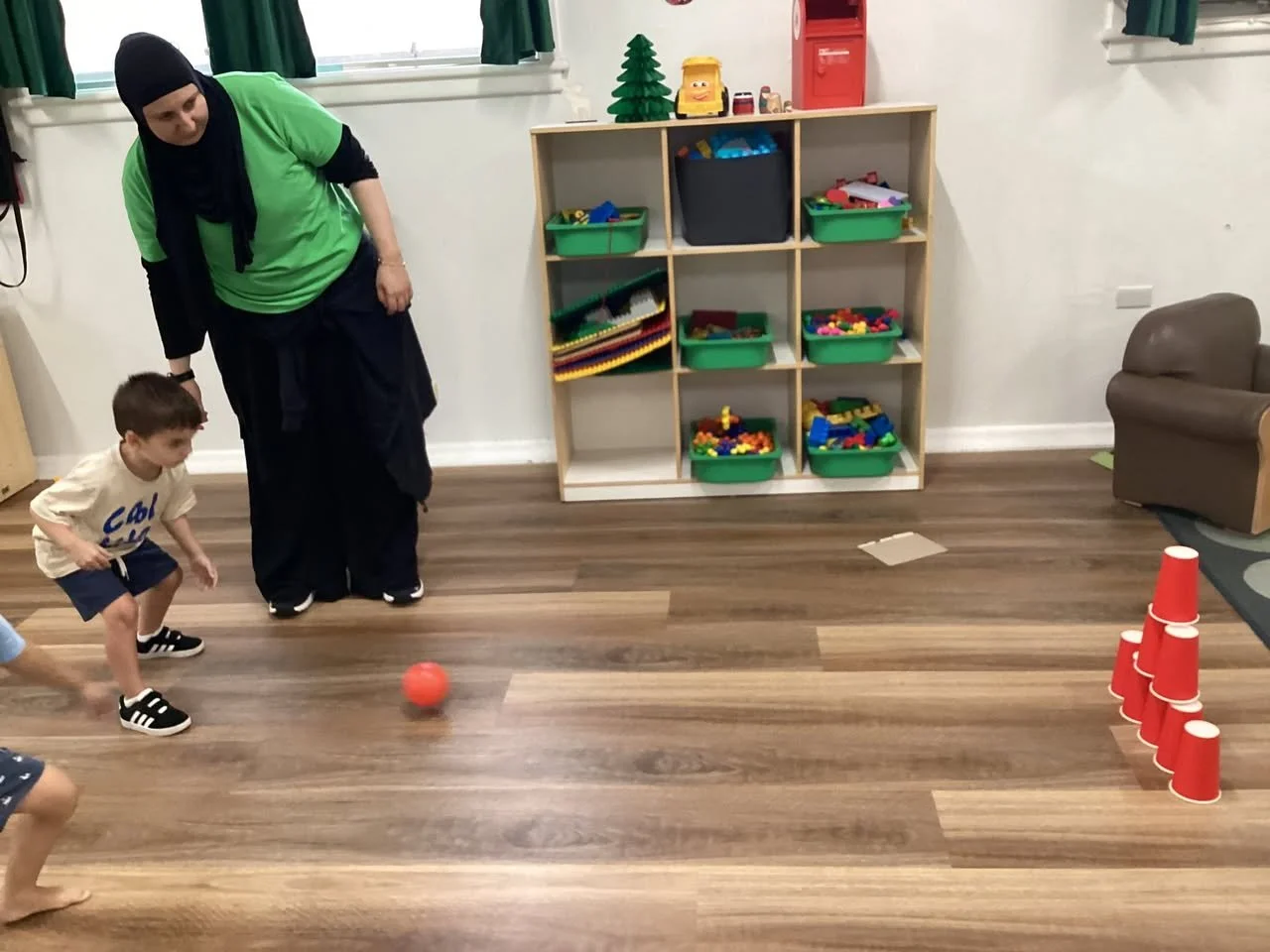
The phrase "hands-on learning" gets used so frequently in early childhood that it can start to feel like wallpaper. But it describes something genuinely important: the fact that young children build conceptual understanding through physical experience before they can access it through abstraction. When a child physically groups six objects together, counts them, and sees that six is less than seven and more than five, they are building understanding that no worksheet can replicate.
At Greystanes Preschool, numeracy activities are designed to be active, tactile and genuinely engaging. The goal isn't compliance; it's curiosity. Children who are curious about numbers, who find them interesting rather than threatening, are children who will continue to engage with mathematics as it gets harder and more abstract in the school years ahead.
Confidence as an Outcome
The newsletter from Greystanes this week used a specific phrase that's worth pausing on: the activities were designed to "build their confidence with numbers." Confidence is not a soft outcome in early mathematics. It is a measurable predictor of long-term mathematical engagement and performance. Children who arrive at school feeling capable and interested in numbers are more likely to ask questions, attempt difficult problems, and persist when things get hard. Building that confidence in preschool is one of the most valuable things an early learning programme can do.
The Preschool Years Are the Right Time
Mathematical brain development is particularly rapid between the ages of three and five. The preschool years offer a window for building number sense, spatial reasoning and mathematical confidence that, once closed, is significantly harder to reopen. Quality preschool mathematics education isn't preparation for school maths; it is school maths, delivered in the most effective form available for young children.
NSW families may be eligible for Start Strong Funding to support access to quality preschool programmes. Speak to our team to learn more about what funding your family qualifies for.
Book a tour at Greystanes Preschool today.